
If you notice a cracked tooth in Dublin, CA, taking the right steps can limit further damage and help you stay comfortable until you see a dentist.
Crunchy fall snacks can be hard on your teeth. Biting a popcorn kernel, piece of hard candy, or another firm food can damage a tooth that is already weak.
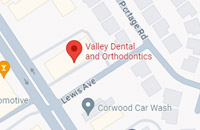
Call Valley Dental and Orthodontics at 925-235-1565 for an appointment.
What Are the Signs of a Cracked Tooth?
What to know: A crack may be hard to notice at first. Some people have pain only when they bite in a certain spot. Others develop sensitivity that seems to appear without warning.
Pay attention to symptoms such as:
- Sudden pain when you chew
- A sore feeling when you lift your teeth apart after biting
- Sensitivity to cold, hot, or sweet foods
- Swelling around one area of the gum
- A tooth that feels tender when touched
- A rough spot that rubs against your tongue
- A chip, line, or missing part of a tooth
Even if the tooth looks mostly normal, damage could be hiding below the surface. A dental exam can show how serious the problem is.
What Can You Do Before Your Dental Visit?
Your first goal: Keep the injured tooth clean and avoid putting more force on it.
Gently wash the area by swishing warm water around your mouth. Give the injured tooth a break by using the other side when you eat. Until your appointment, choose foods that need little chewing, such as oatmeal, mashed potatoes, scrambled eggs, or applesauce.
If you notice puffiness around your face, place a cold pack on your cheek for short periods. You can take a nonprescription pain reliever as directed on the label if needed. If the broken tooth has a rough point that bothers your tongue or cheek, dental wax can help cover it.
Avoid crunchy, chewy, or hard foods that could place extra stress on the tooth.
If part of your tooth breaks off, place the piece in a clean container and bring it with you to the dentist.
Why Does Quick Dental Care Matter?
The big concern: A tooth cannot close a crack by itself.
Bacteria may enter through the damaged area and reach the softer tissue inside the tooth. Without care, the problem can lead to inflammation, infection, or worsening discomfort.
Getting help for a cracked tooth in Dublin sooner may give your dentist more options for saving the tooth.
Certain symptoms require faster attention. Contact a dentist promptly if you develop strong pain, fever, bleeding, or significant swelling. If swelling begins to interfere with breathing or swallowing, get emergency medical help right away.
How Can a Dentist Repair the Damage?
The right type of care depends on the size, depth, and location of the break. Your dentist will examine the tooth closely before deciding which treatment offers the best protection.
A small chip may only need bonding. The dentist uses tooth-colored material to rebuild the damaged area and smooth the tooth.
More serious damage may call for a dental crown. A crown may cover a badly damaged tooth, giving it support while rebuilding its natural form.
If the crack has harmed the soft tissue deep inside, the tooth may need root canal therapy. During this procedure, the dentist clears away unhealthy tissue, carefully cleans the inner space, and closes it to help keep bacteria out. A crown may then be placed for added protection.
Some teeth cannot be repaired. A deep crack that extends under the gum or separates the tooth may require an extraction.
Ways to Help Prevent a Cracked Tooth
A few simple habits can help protect your teeth from damage. Skip biting down on ice, hard candy, and other tough foods. Use scissors or the proper tool to open packages instead of your teeth. Protect your smile with a mouthguard when playing sports. If you clench or grind while you sleep, your dentist may suggest wearing a custom night guard.
Getting timely care for a cracked tooth in Dublin may prevent a small injury from turning into a bigger dental problem.
Call Valley Dental and Orthodontics at 925-235-1565 for an appointment. You can also schedule online. Find out how your damaged tooth can be treated.